

Introduction
Overhead power lines play a crucial role in delivering electricity to homes, businesses, and industries. They are the backbone of the electrical grid, carrying power over long distances from generating stations to distribution networks. However, these power lines are susceptible to various external factors that can cause disruptions and damage, with power surges being a common threat. Power surges can result from lightning strikes, switching operations, equipment failures, or other transient events, leading to equipment damage, downtime, and safety risks. In this comprehensive guide, we will explore the importance of surge protection for overhead power lines, the types of surge protection devices available, best practices for installation and maintenance, and the latest advancements in surge protection technology.
Importance of Surge Protection for Overhead Power Lines
Surge protection is essential for overhead power lines to safeguard the electrical infrastructure, prevent costly downtime, and ensure the safety of personnel and the public. Power surges can cause significant damage to transformers, circuit breakers, insulators, and other essential components of the power system. In severe cases, surges can lead to fires, explosions, and power outages, impacting the reliability of the electrical grid and disrupting service to customers.
One of the primary sources of power surges in overhead power lines is lightning strikes. Lightning is a powerful natural phenomenon that can generate extremely high voltage surges, traveling through power lines and causing damage to equipment. Without adequate surge protection measures in place, lightning strikes can result in equipment failures, insulation breakdown, and arcing, posing a serious risk to the operation of the power system.
In addition to lightning, power surges can also be induced by switching operations, faults in the power grid, or external factors such as electromagnetic interference (EMI) and radio frequency interference (RFI). These transient events can introduce voltage spikes and high-frequency noise into the power lines, leading to equipment malfunctions and premature failure.
By implementing effective surge protection measures, utilities and system operators can mitigate the risks associated with power surges and ensure the reliable operation of overhead power lines. Surge protection devices are designed to limit the amplitude of voltage surges, divert excess energy away from sensitive equipment, and provide a safe path for current to dissipate, protecting the power system from damage and ensuring continuity of service.
Types of Surge Protection Devices for Overhead Power Lines
There are several types of surge protection devices available for overhead power lines, each designed to address specific aspects of surge protection and provide varying levels of protection. The selection of surge protection devices depends on factors such as the voltage rating of the power lines, the magnitude of potential surges, the operating environment, and the specific requirements of the application. Some of the commonly used surge protection devices for overhead power lines include:
1. Surge Arresters: Surge arresters, also known as lightning arresters, are designed to protect equipment from lightning-induced surges by diverting the excess energy to ground. Surge arresters consist of metal oxide varistors (MOVs) or spark gaps connected between the power line and ground. When a surge occurs, the arrester conducts the excess energy to ground, limiting the voltage across the protected equipment and preventing damage. Surge arresters are typically installed at substations, transformer stations, and other critical points in the power system to provide comprehensive protection against lightning strikes and switching surges.
2. Surge Suppressors: Surge suppressors, also known as surge protectors, are protective devices that limit the voltage levels within a specified range, protecting sensitive equipment from transient surges. Surge suppressors are commonly used in conjunction with surge arresters to provide additional protection at the point of use, such as electrical panels, control systems, and communication equipment. Surge suppressors work by clamping the voltage spikes and diverting the excess energy to ground, preventing damage to connected devices and ensuring the reliability of the electrical system.
3. Line Conditioners: Line conditioners are devices that improve the quality of the power supply by filtering out noise, harmonics, and voltage fluctuations, which can cause equipment malfunctions and performance issues. Line conditioners are designed to provide clean and stable power to sensitive equipment, such as computers, servers, and communication systems, by regulating the voltage levels and suppressing electrical disturbances. Line conditioners can enhance the overall reliability of the power system and protect equipment from damage due to poor power quality.
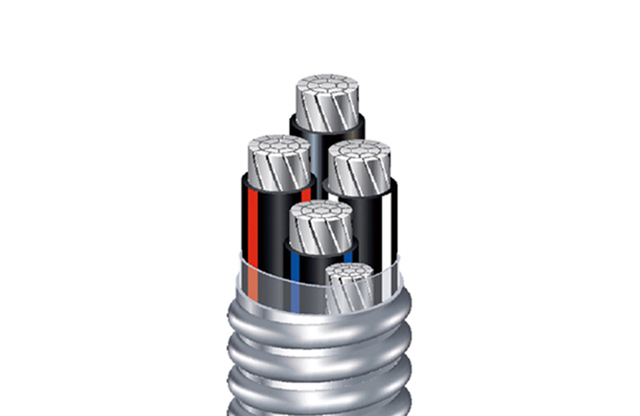
4. Surge Protective Devices (SPDs): Surge protective devices (SPDs) are comprehensive surge protection systems that combine multiple protective elements, such as surge arresters, filters, and voltage regulators, to provide a layered defense against transient surges. SPDs are capable of suppressing high-energy surges, filtering out noise and harmonics, and regulating the voltage levels to ensure the safe and reliable operation of critical equipment. Medium voltage power cable are commonly used in data centers, industrial facilities, and sensitive applications where the protection of equipment and data is paramount.
Best Practices for Installation and Maintenance of Surge Protection Devices
Proper installation and maintenance of surge protection devices are essential to ensure their effectiveness and reliability in protecting overhead power lines. The following best practices should be followed when installing and maintaining surge protection devices:
1. Conduct a Risk Assessment: Before installing surge protection devices, conduct a comprehensive risk assessment to identify potential sources of surges, vulnerable equipment, and critical points in the power system that require protection. Assess the magnitude of potential surges, the frequency of occurrence, and the consequences of equipment failure to determine the appropriate level of protection needed.
2. Select the Right Surge Protection Devices: Choose surge protection devices that are suitable for the voltage rating, operating conditions, and specific requirements of the application. Consult with surge protection specialists or manufacturers to select the most appropriate devices based on the system configuration, surge levels, and installation environment.
3. Install Surge Protection Devices at Critical Points: Install surge protection devices at critical points in the power system, such as substations, transformer stations, switchgear, and equipment panels, to provide comprehensive protection against surges. Position surge arresters and suppressors close to the equipment they are intended to protect to minimize the length of exposed conductors and reduce the risk of induced surges.
4. Follow Manufacturer Guidelines: Follow the installation instructions provided by the manufacturer of surge protection devices to ensure proper installation and operation. Pay attention to the wiring connections, grounding requirements, and mounting instructions to maximize the effectiveness of the surge protection system.
5. Implement Grounding and Bonding: Ensure that surge protection devices are properly grounded and bonded to provide a low-impedance path for current to dissipate safely. Use high-quality grounding electrodes, such as ground rods or grounding plates, to establish a reliable connection to earth and minimize the risk of ground potential rise during surges.
6. Regularly Inspect and Test Surge Protection Devices: Perform routine inspections and testing of surge protection devices to verify their functionality and integrity. Check for signs of physical damage, corrosion, or loose connections that may affect the performance of the devices. Test the surge protection system periodically using surge generators or diagnostic equipment to ensure that it meets the required surge withstand capability.
7. Monitor Surge Events and Performance: Install monitoring devices, such as surge counters or data loggers, to track surge events and evaluate the performance of the surge protection system. Analyze the data collected from monitoring devices to identify trends, assess the effectiveness of surge protection measures, and make informed decisions regarding maintenance and upgrades.
8. Train Personnel on Surge Protection Practices: Provide training to personnel involved in the installation, operation, and maintenance of surge protection devices to enhance their understanding of surge protection practices and procedures. Educate staff on the risks associated with power surges, the importance of surge protection measures, and the steps to take in the event of a surge-related incident.
Advancements in Surge Protection Technology for Overhead Power Lines
Advancements in surge protection technology have led to the development of innovative solutions that offer enhanced protection, improved performance, and increased reliability for overhead power lines. The following are some of the latest advancements in surge protection technology for overhead power lines:
1. Smart Surge Protection Systems: Smart surge protection systems incorporate advanced monitoring, diagnostics, and communication capabilities to provide real-time data on surge events, device status, and system performance. These systems use sensors, microprocessors, and communication interfaces to collect and analyze data, detect abnormalities, and trigger alarms or notifications in case of a surge event. Smart surge protection systems enable proactive maintenance, remote monitoring, and predictive analytics to optimize the reliability and efficiency of surge protection measures.
2. High-Energy Surge Arresters: High-energy surge arresters are designed to withstand extreme voltage levels and dissipate large amounts of energy during lightning strikes or severe surges. These surge arresters utilize specialized materials, such as metal oxide varistors (MOVs) with high energy absorption capacity, to provide superior surge protection for critical equipment and infrastructure. High-energy surge arresters are ideal for high-voltage transmission lines, substations, and industrial applications where the risk of catastrophic surges is high.
3. Hybrid Surge Protection Devices: Hybrid surge protection devices combine multiple protective elements, such as surge arresters, filters, and gas discharge tubes, in a single integrated package to provide comprehensive surge protection for overhead power lines. These devices offer a multi-stage defense mechanism that can suppress low-voltage transients, filter out high-frequency noise, and divert high-energy surges to ground, ensuring maximum protection for sensitive equipment and systems. Hybrid surge protection devices are versatile, compact, and cost-effective solutions for a wide range of applications.
4. Remote-Controlled Surge Protection Systems: Remote-controlled surge protection systems allow operators to monitor, configure, and control surge protection devices from a central location using remote communication networks. These systems enable real-time adjustment of surge protection settings, remote troubleshooting of issues, and automatic responses to surge events, improving the operational efficiency and responsiveness of surge protection measures. Remote-controlled surge protection systems are particularly beneficial for large-scale power systems, distributed networks, and remote installations where on-site maintenance may be challenging.
5. Self-Healing Surge Protection Devices: Self-healing surge protection devices are equipped with self-repairing capabilities that enable them to recover from partial damage or degradation caused by repeated surges. These devices use advanced materials, such as self-healing polymers or semiconductors, that can regenerate and restore their protective properties after being subjected to high-energy surges. Self-healing surge protection devices enhance the longevity and reliability of surge protection systems, reducing the need for frequent maintenance and replacement.
Conclusion
Surge protection is a critical aspect of ensuring the safety, reliability, and resilience of overhead power lines in the face of transient events such as lightning strikes, switching surges, and equipment failures. By implementing effective surge protection measures, utilities, system operators, and industrial facilities can protect their infrastructure, prevent costly downtime, and minimize the risks associated with power surges. Surge protection devices, such as surge arresters, suppressors, line conditioners, and SPDs, offer a layered defense against surges and provide comprehensive protection for sensitive equipment and systems.
To maximize the effectiveness of surge protection measures, it is essential to follow best practices for the installation and maintenance of surge protection devices, conduct regular inspections and testing, and stay informed about the latest advancements in surge protection technology. With the continuous evolution of surge protection solutions, including smart systems, high-energy arresters, hybrid devices, remote-controlled systems, and self-healing devices, overhead power lines can be better equipped to withstand the challenges posed by transient surges and ensure the uninterrupted delivery of electricity to customers.
In conclusion, surge protection is a vital component of modern power systems, and investing in robust surge protection measures is crucial to safeguarding critical infrastructure, ensuring operational continuity, and protecting personnel and assets from the risks associated with power surges. By staying informed about the latest developments in surge protection technology and following best practices for surge protection implementation, organizations can build a resilient and reliable power system that can withstand the unpredictable nature of transient events and deliver safe and uninterrupted power supply to consumers.
References:
1. IEEE Guide for Surge Protection of Electric Power Systems (IEEE Std C62.41)
2. IEC Standard on Surge Protective Devices (IEC 61643)
3. NEMA Surge Protection Institute
4. Lightning Protection Institute
5. Power Quality and Reliability Solutions by Schneider Electric